

TL;DR:
- Buying a used car online requires thorough research, verification, and secure payment methods to avoid scams and hidden costs.
- A careful inspection, detailed listing evaluation, and proper paperwork ensure a safe and fair purchase process.
Buying a used car online is the process of selecting, verifying, paying for, and taking ownership of a pre-owned vehicle through digital platforms, often without any in-person interaction. The UK used car market has moved decisively toward online transactions, and buyers who treat the process as a structured verification process rather than a trust exercise consistently get better outcomes. That means budgeting carefully, researching vehicle history, arranging independent inspections, using secure payment methods, and completing paperwork correctly. Skip any of those steps and you expose yourself to fraud, hidden mechanical costs, or a vehicle that does not match its listing.
How to buy a used car online: preparation and research
Preparation is the single biggest factor separating buyers who get a fair deal from those who overpay or get burned. Before you look at a single listing, you need a clear picture of your total budget and your target vehicle.
Set a realistic total budget. Your budget is not just the sticker price. Factor in:
- Vehicle purchase price
- Road tax and registration fees
- Insurance (get a quote before you commit to a model)
- Delivery or transport costs if buying remotely
- Pre-purchase inspection fee (typically £100–£150 for a mobile mechanic)
- Potential repairs identified after inspection
Pro Tip: Always negotiate the out-the-door price inclusive of all taxes, title fees, and dealer charges. Requesting an itemized fee breakdown early prevents hidden costs from appearing at the final stage.
Define your target vehicle. Decide on acceptable mileage ranges, age, fuel type, and title status before searching. A car with a "salvage" or "write-off" title carries significantly different risk and resale value than a clean-title vehicle. Research common mechanical issues for your shortlisted makes and models using owner forums and reliability surveys. Tools like Addapted let you compare real-time pricing across multiple listings instantly, so you can identify what a fair price looks like before you contact any seller.
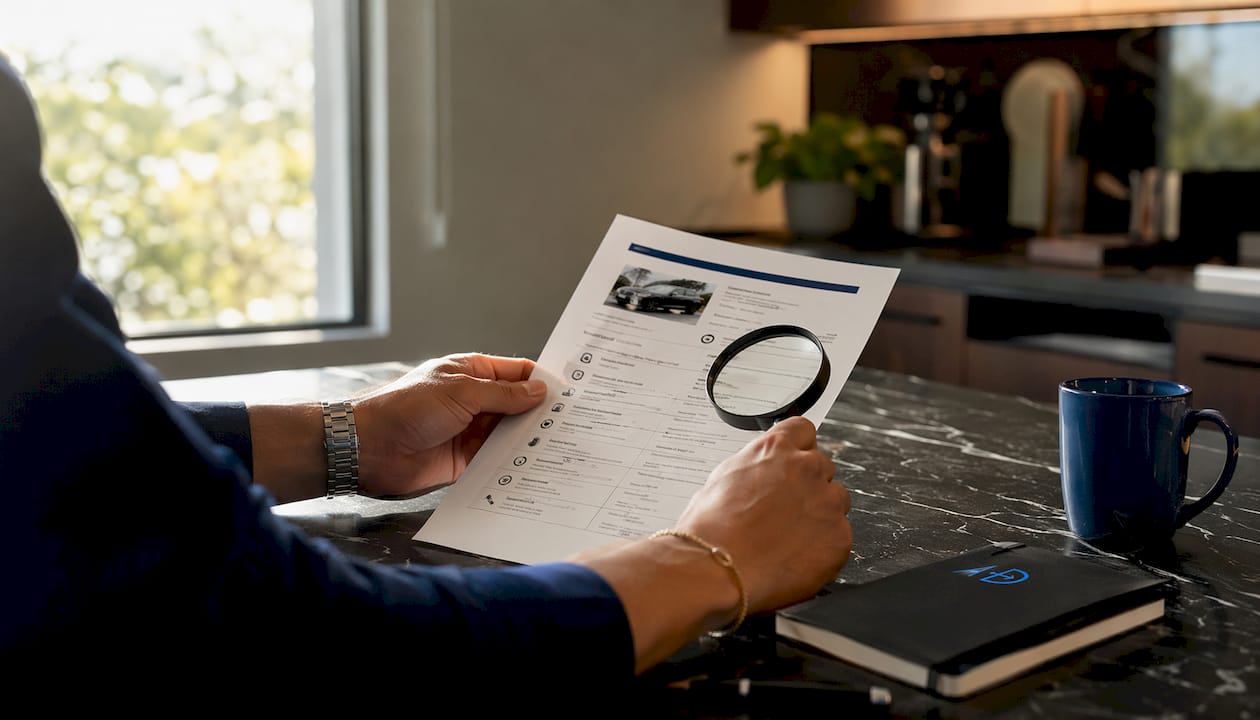
Build your verification toolkit. You will need access to a vehicle history report provider such as CARFAX or a UK-specific HPI check service, a trusted valuation tool, and a list of mobile inspection services in the area where the car is located. Having these ready before you find a listing means you can move quickly without cutting corners.
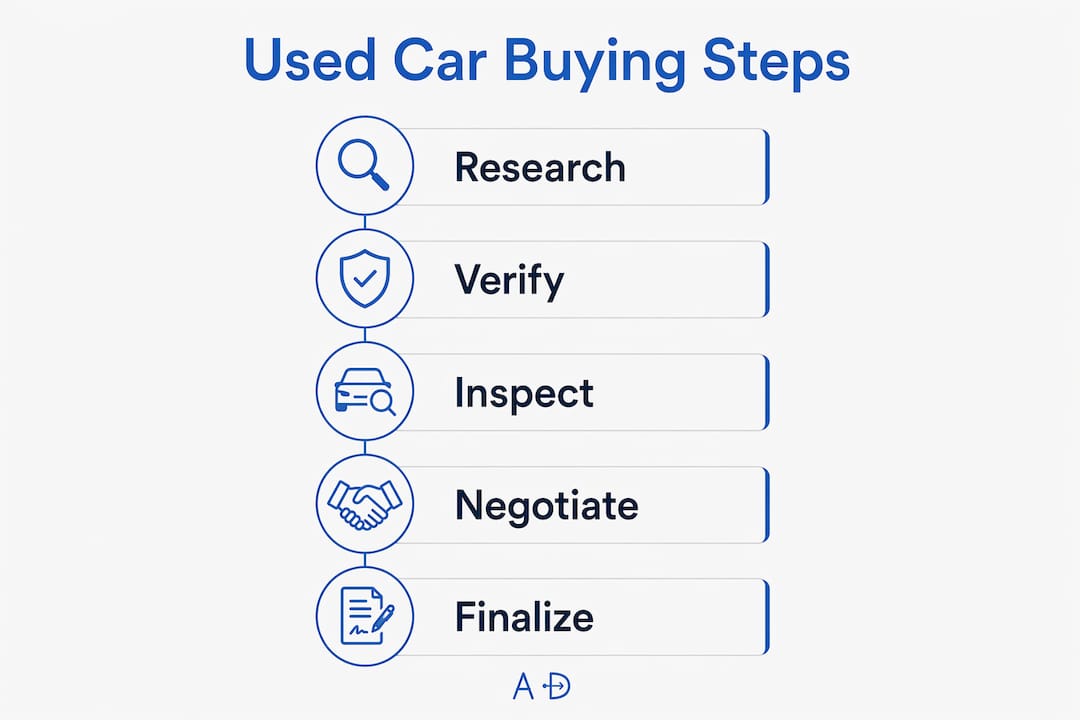
How do you evaluate online listings to confirm authenticity?
A trustworthy listing contains specific, verifiable information. A vague or incomplete listing is a red flag, not an invitation to ask questions.
Check every listing for these elements before proceeding:
- Full VIN (Vehicle Identification Number) displayed in the listing
- Accurate mileage and trim level
- Title status (clean, salvage, or rebuilt)
- Service history records or documented maintenance
- Disclosed known faults or recent repairs
- Multiple clear photos from all angles, including the engine bay, undercarriage, and interior
Photos alone are insufficient to assess a vehicle's true condition. Sellers can use flattering angles, filters, or selective framing to hide rust, panel damage, or flood watermarks. Request a live video walkthrough and a cold-start video showing the engine turning over from cold. A seller who refuses either request is signaling a problem.
Pro Tip: Cross-reference the VIN shown in the listing photos against the VIN on the dashboard and door jamb. Mismatched VINs across documents and photos are a major red flag indicating potential title fraud or a clocked vehicle.
Watch for these listing red flags:
- Vague descriptions with no mileage, trim, or history details
- Prices significantly below market value with no explanation
- Urgent sale pressure ("must sell today," "relocating abroad")
- Seller unwilling to provide a VIN before payment discussion
- No physical address or inconsistent location details
What does a proper remote inspection involve?
An independent pre-purchase inspection is non-negotiable for any online used car purchase, especially for private sales or long-distance transactions. Independent mobile mechanic inspections focused on cold-start tests and oil quality checks are the most reliable way to detect hidden engine issues before you commit funds.
Mobile inspection services send a qualified mechanic to the vehicle's location. You pay the fee, the mechanic reports directly to you, and the seller has no influence over the findings. This replicates the safeguard of a physical dealership visit without requiring you to travel.
What a thorough inspection covers:
- Cold-start test. The mechanic starts the engine from cold to listen for unusual noises, check for excessive smoke, and observe warm-up behavior.
- Oil quality check. Milky or frothy oil indicates coolant contamination, which points to a head gasket failure. This is a repair that can cost thousands of pounds.
- Bodywork and paint. Panel gaps, mismatched paint, or filler indicate previous accident damage not disclosed in the listing.
- Rust assessment. Sills, wheel arches, and the undercarriage are the most common rust points on UK vehicles due to road salt exposure.
- Suspension and tires. Uneven tire wear signals alignment or suspension problems. Worn tires add immediate cost.
- Electronics and warning lights. All dashboard warning lights should extinguish after startup. Persistent lights indicate unresolved fault codes.
- Flood damage signs. Watermarks on seat rails, musty odors, and corrosion on electrical connectors all indicate flood history.
| Inspection Area | What to Check | Risk if Skipped |
|---|---|---|
| Engine (cold start) | Smoke, noise, warm-up behavior | Hidden mechanical failure |
| Oil quality | Color, consistency, contamination | Head gasket or internal leak |
| Bodywork | Panel gaps, paint match, filler | Undisclosed accident damage |
| Undercarriage | Rust, leaks, structural integrity | Costly structural repairs |
| Electronics | Warning lights, all functions | Unresolved fault codes |
Pro Tip: If the seller refuses an independent inspection or insists you use their preferred mechanic, walk away. A seller with nothing to hide welcomes third-party verification.
How do you pay safely and handle paperwork correctly?
Payment security is where online used car transactions most frequently go wrong. Non-secure payment methods like wire transfers, gift cards, and payment apps without buyer protection are the most common fraud vectors in private-party online car sales.
"The safest private-party payment method is an escrow service, which holds your funds until both parties confirm the agreed conditions are met. This prevents sellers from disappearing with a deposit and gives buyers a clear recourse if the vehicle does not match its description."
For dealer purchases, use a bank transfer to a verified account or a finance agreement through a regulated lender. Never pay a deposit via gift card or cryptocurrency to any seller, regardless of how convincing their explanation sounds.
Essential paperwork checklist:
- Bill of sale. Documents the agreed price, vehicle details, and both parties' identities.
- Title transfer. The V5C logbook in the UK must be transferred to your name immediately.
- Lien release. If the vehicle has outstanding finance, the lender must release the title before you take ownership.
- Temporary registration. Confirm the vehicle is taxed and insured before driving it.
- Inspection report. Keep the mechanic's written findings as part of your purchase record.
Online dealers typically offer return windows of 7–30 days or mileage limits often capped at 400 miles. Private sales in the UK are generally "as-is" with no legal recourse once money changes hands. That difference alone makes dealer purchases significantly lower risk for buyers who are uncertain about a vehicle's condition.
Verify that the seller's name matches the name on the V5C before any money moves. A mismatch means either the seller does not legally own the vehicle or the paperwork has not been updated, and both scenarios create problems for you.
What mistakes do buyers most commonly make?
The most costly mistakes in online used car buying share a common cause: moving too fast. Buyers who rush the process skip verification steps that would have saved them thousands of pounds.
Avoid these errors:
- Relying on photos alone. Listing photos are marketing material. They do not reveal mechanical condition, hidden rust, or flood damage.
- Skipping the independent inspection. No inspection means no objective condition data. This is especially critical for private sales with no return policy.
- Focusing on the asking price instead of the total cost. Road tax, insurance, delivery, and potential repairs can add hundreds or thousands of pounds to the real cost of ownership.
- Responding to urgency pressure. Legitimate sellers do not pressure buyers to pay immediately. Urgency is a manipulation tactic.
- Not confirming the vehicle's physical location. Some fraudulent listings use UK addresses for vehicles that are overseas or do not exist.
- Ignoring return window conditions. Dealer return policies have mileage caps and condition requirements. Read them before you sign.
- Skimming finance terms. If you use dealer finance, the APR and total repayment amount matter more than the monthly payment figure.
Pro Tip: Before committing to any listing, run a full HPI check and vehicle history report. This reveals outstanding finance, write-off status, stolen vehicle flags, and mileage discrepancies in one report.
Key Takeaways
Buying a used car online safely requires verification at every stage: pricing research, listing evaluation, independent inspection, secure payment, and accurate paperwork.
| Point | Details |
|---|---|
| Budget beyond the sticker price | Include taxes, insurance, delivery, inspection fees, and potential repairs in your total budget. |
| Verify listings with documentation | Request the VIN, service history, and a live video walkthrough before pursuing any listing. |
| Always arrange an independent inspection | A mobile mechanic's cold-start and oil check detects hidden engine issues before payment. |
| Use traceable, protected payment methods | Escrow services protect private-party buyers; avoid wire transfers and gift card payments entirely. |
| Confirm paperwork before funds transfer | Check that the seller's name matches the V5C and that no outstanding finance exists on the vehicle. |
What I've learned from watching buyers get this wrong
Most buyers who get burned online did not lack information. They had access to the same advice you are reading now. What they lacked was patience. The car looked right, the price felt good, and they moved before completing the verification steps.
The uncomfortable truth about buying a used car online is that the process rewards slow, methodical buyers and punishes impulsive ones. A seller who pushes you to decide quickly is almost always doing so because a slower process would reveal something they do not want you to find. That is not cynicism. That is a pattern that repeats consistently.
Independent inspections are the step buyers most often skip because they feel like an admission of distrust. They are not. They are the standard due diligence that any rational buyer should perform on a major purchase. A seller who takes offense at an inspection request is telling you something important about what the inspection would find.
Written agreements matter more than verbal assurances. Get every condition, deposit term, and delivery arrangement in writing before any money moves. If a seller resists putting terms in writing, that resistance is your answer.
The buyers who consistently get good deals online treat the process like a professional transaction, not a social one. They verify first, trust second, and never let enthusiasm override the checklist.
— Mark Bowman
Addapted makes pricing verification fast and reliable
Knowing what a used car is actually worth before you contact a seller is the clearest advantage you can have in any online negotiation.
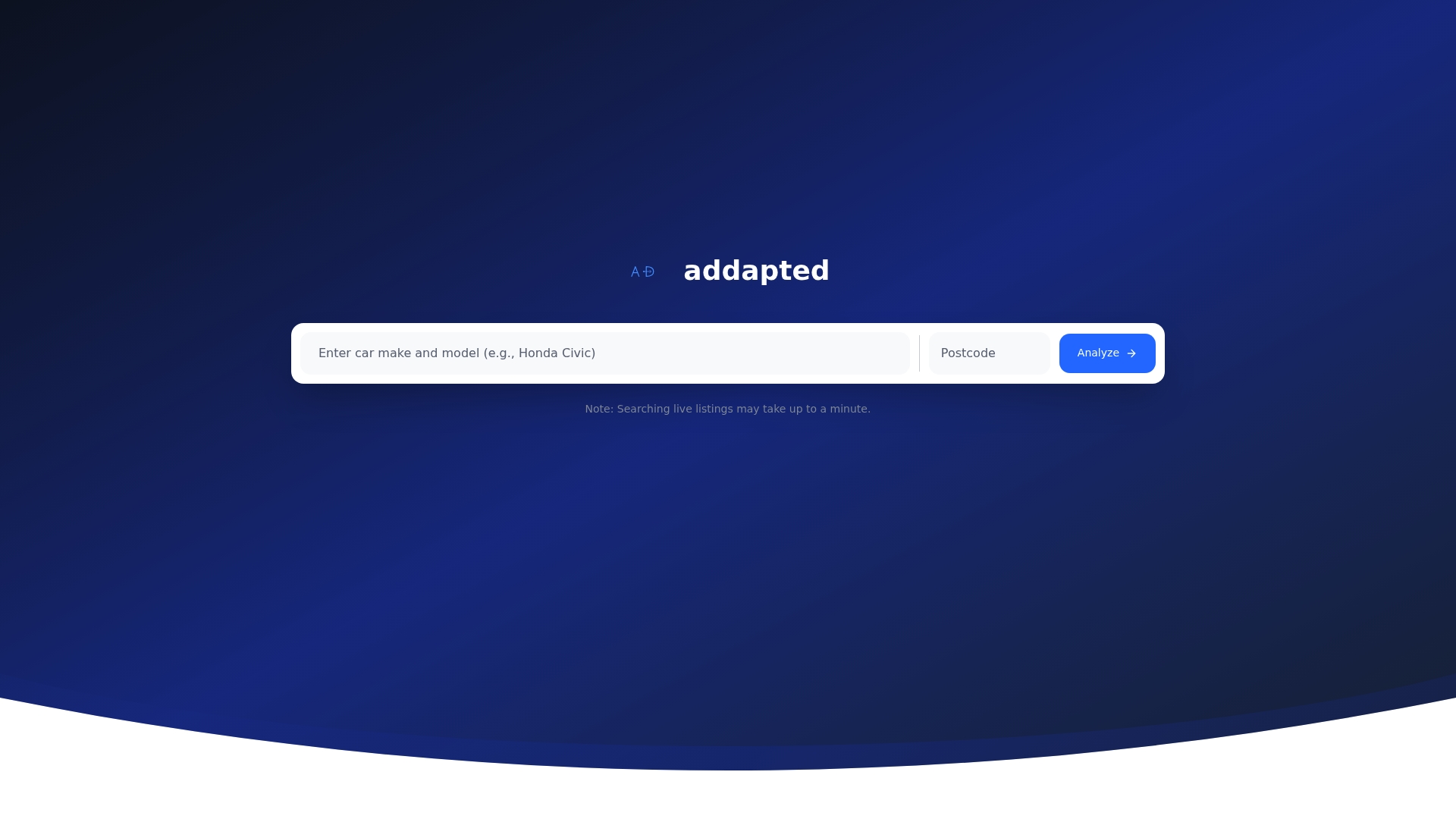
Addapted gives you real-time car valuations and instant market price comparisons across live listings in the UK. You can see the lowest, highest, and average prices for any make and model in seconds, so you know immediately whether a listing is fairly priced, overpriced, or suspiciously cheap. The platform's built-in car check tools analyze mileage, price history, and listing details, giving you the data you need to negotiate with confidence. If you want to compare car valuations before committing to any purchase, Addapted is the place to start.
FAQ
What is the safest way to pay for a used car online?
Escrow services are the safest payment method for private-party online car purchases, as they hold funds until both parties confirm agreed conditions are met. For dealer purchases, use a bank transfer to a verified account or regulated finance.
Do online car dealers offer return policies in the UK?
Most online dealers offer return windows of 7–30 days with mileage limits often capped at 400 miles. Private sales are typically "as-is" with no legal return rights, which makes dealer purchases lower risk for uncertain buyers.
How do I spot a fraudulent used car listing online?
Key red flags include vague descriptions with no VIN, prices significantly below market value, urgent sale pressure, and sellers who refuse independent inspections or request payment via gift cards or wire transfers.
Is a pre-purchase inspection worth it for an online car purchase?
A pre-purchase inspection is always worth the cost. A mobile mechanic's cold-start test and oil check can detect head gasket failures and internal leaks that no listing photo or description will reveal.
What documents do I need to complete a used car purchase online in the UK?
You need a bill of sale, the V5C logbook transferred to your name, a lien release if outstanding finance exists, proof of insurance, and the mechanic's inspection report as part of your purchase record.