
TL;DR:
- Preparation using market data, inspection evidence, and timing increases the chances of securing a fair used car price in the UK. Buyers should research comparable listings, obtain an independent inspection, and focus on the total out-the-door price during negotiations. Differing strategies are needed when negotiating with dealers versus private sellers to maximize leverage and outcomes.
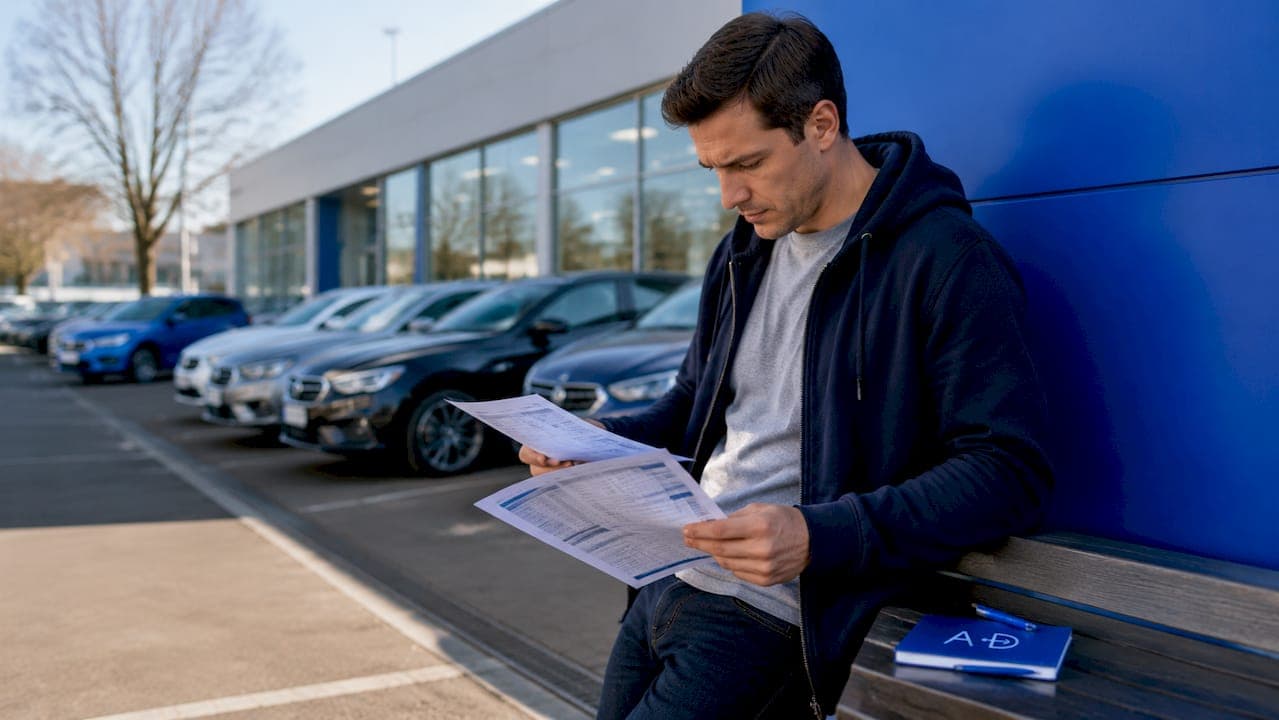
Negotiating a used car price in the UK is defined by preparation, not luck. Buyers who arrive with real market data, a clear price range, and knowledge of the vehicle's condition consistently secure better deals than those who rely on gut feeling alone. This guide covers the full process: how to research comparable prices, use inspection findings as leverage, handle dealer tactics, and communicate with confidence. Whether you're buying from a forecourt or a private seller, the same core principle applies. Preparation shifts the power balance in your favor.
How to research used car prices before negotiating
Solid research is the foundation of every successful negotiation. Before you visit any seller, you need three numbers: your ideal price, your target price, and your walk-away price. These should come from real data, not guesswork.
Start by searching multiple UK listing platforms to find comparable vehicles by year, model, mileage, and condition. Look at a minimum of five to ten similar listings. This gives you a realistic picture of what the market actually charges, not what one seller hopes to get. Addapted's car valuation tool lets you view the lowest, highest, and average prices for any model in real time, which means you can walk into a negotiation knowing exactly where a listing sits relative to the market.
Understanding dealer margins also matters. Dealers typically buy stock at wholesale prices and mark up for retail. Wholesale acquisition costs versus retail pricing help you identify when a dealer's margin is reasonable or excessive. A car priced well above comparable listings signals room to negotiate. A car priced at or below market average may have less flexibility.
Vehicle history is another research layer. Pull the MOT history, check for outstanding finance, and review the service record. Any gap in servicing, a recent MOT advisory, or a history of ownership changes becomes a negotiation point. These are facts, not opinions, and facts carry weight in price discussions.
Gather written evidence before you go:
- Printed or saved screenshots of comparable listings at lower prices
- A vehicle history report showing any advisories or gaps
- MOT records and service history details
- Written quotes from multiple dealers on similar vehicles
Anchoring your offer to the lowest legitimate competing quote, documented in writing, makes the negotiation objective. The seller cannot argue with a real listing price on a comparable car.
Pre-approved financing is another preparation step most buyers skip. Pre-authorized financing clarifies your budget and neutralizes dealer financing incentives that can distort price negotiation. When you already have a finance offer in hand, the dealer's in-house rate loses its power as a selling tool.
Keep your trade-in discussion completely separate. Mixing part-exchange and purchase price negotiations conflates two different transactions and reduces your leverage on both.
How to use vehicle condition to lower the price
A thorough inspection gives you concrete reasons to reduce the asking price. Walk around the car in daylight and check every panel for paint inconsistencies, dents, and scratches. Open every door. Test every button. These details are not just cosmetic concerns. They are documented evidence that the car is not in the condition the listing implies.
Common defects that justify a lower offer:
- Uneven tire wear or tires approaching legal minimum tread depth
- Brake pad wear visible through the wheel spokes
- Bodywork scuffs, paint chips, or misaligned panels suggesting a previous repair
- Missing or incomplete service records
- Upcoming MOT or known advisory items from the last test
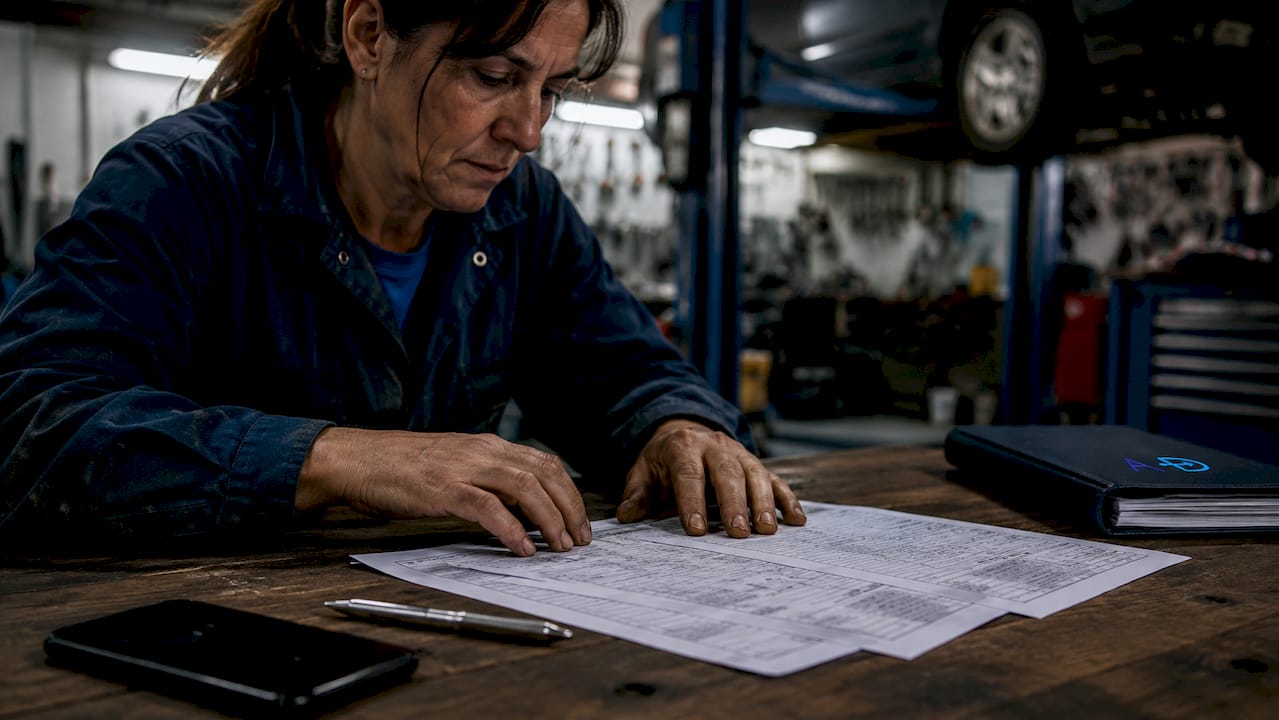
The most powerful tool in this stage is an independent pre-purchase inspection. A certified mechanic's written report carries far more weight than your own observations. When a professional identifies mechanical fatigue or upcoming repairs, you have a documented, objective basis for a price reduction. Sellers find it much harder to dismiss a mechanic's report than a buyer's opinion.
When you raise condition issues, keep your language calm and factual. Say "the inspection report shows the front brake pads need replacing within the next 3,000 miles, which is a £150 job" rather than "the brakes are terrible." Objective language removes emotion from the conversation and keeps the focus on cost.
Private sellers tend to be more emotionally attached to their cars than dealers. With private sellers, raise condition issues gently and frame them as cost factors rather than criticisms. With dealers, be more direct. Dealers expect buyers to negotiate and respond better to documented evidence than to general complaints.
Pro Tip: Book your independent inspection before the negotiation conversation, not after. Arriving with a written report in hand signals that you are a serious, prepared buyer and immediately shifts the dynamic.
What negotiation tactics actually work?
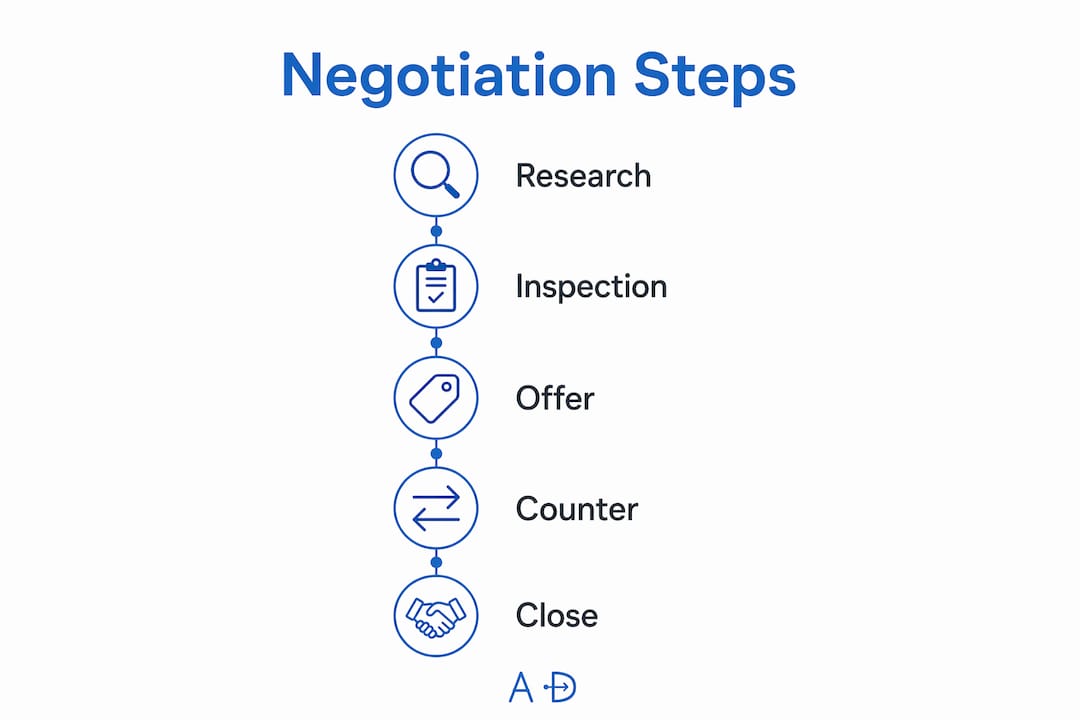
Effective negotiation follows a clear sequence. State your offer first, based on your research and inspection findings. Do not wait for the seller to make the first move if you have done your homework. A well-researched opening offer signals confidence and sets the anchor for the conversation.
After you make your offer, use silence. Most buyers fill the quiet too quickly, weakening their position. Disciplined silence after an offer forces the seller to respond first, which often reveals concessions or flexibility they would not have volunteered otherwise.
A practical negotiation sequence:
- State your offer with a clear reason: "Based on comparable listings and the inspection report, I'm offering £X."
- Stay quiet and let the seller respond.
- If they counter, acknowledge it and pause again before responding.
- If they offer extras instead of a price cut, ask for both or evaluate the extras' real cash value.
- If the numbers still don't work, say "I appreciate your time, but I can't go above £X" and prepare to leave.
Never disclose your maximum budget to the seller. Starting below your real limit leaves room for counteroffers without giving away your ceiling. Once a seller knows your top number, they will anchor every response to it.
Always negotiate the total price, not the monthly payment. Monthly payment plans can obscure the total cost and hide high interest rates. Focus on the out-the-door figure and work backward from there.
Timing your visit strategically also helps. End of month and quarter pressure influences dealer willingness to discount in order to meet sales targets. Visiting a dealership in the last week of the month puts you in a stronger position than visiting on the second day of a new quarter.
Pro Tip: Never negotiate against yourself. If a seller says "let me check with my manager" and comes back with a number that barely moves, do not immediately offer more. Hold your position or restate your offer with your evidence.
Dealer vs. private seller: how your approach should differ
The negotiation dynamic changes significantly depending on who you are buying from. Dealers and private sellers have different motivations, different constraints, and different responses to the same tactics.
Dealers operate within set margins and have monthly targets to hit. They are experienced negotiators who handle price discussions every day. They may offer extras like free servicing, new tires, or a warranty rather than reduce the vehicle price directly. Buyers should assess whether those extras represent genuine value or are simply ways to protect the margin. A free service worth £150 is not the same as £150 off the price if you were not planning to use that dealership for servicing.
Private sellers, by contrast, vary widely in motivation. Those with urgent needs, such as a relocation or a new car already ordered, are far more likely to accept a lower offer. Listing age, price reduction history, and how quickly the seller responds to messages are all signals of motivation. A listing that has been live for six weeks with two price drops is a very different negotiation from a fresh listing posted yesterday.
Key differences at a glance:
- Dealers have more flexibility on add-ons; private sellers have more flexibility on price
- Dealers expect negotiation; private sellers may be less comfortable with it
- Cash offers carry more weight with private sellers than with dealers who prefer finance commissions
- Dealers can process part-exchange; private sellers cannot
When paying cash, make that clear early with a private seller. Cash payment removes the uncertainty of a finance application falling through, which is a genuine benefit the seller values. With a dealer, cash is less of an advantage since dealers earn commission on finance products.
For buying from a dealer, always ask for dealer fees to be itemized. Administration charges, preparation fees, and documentation costs are often negotiable or removable entirely.
Key Takeaways
Negotiating a used car price in the UK requires market data, inspection evidence, and disciplined communication to secure a fair deal.
| Point | Details |
|---|---|
| Research before you visit | Use real listings and tools like Addapted to set your ideal, target, and walk-away prices. |
| Inspection findings are leverage | A certified mechanic's report gives you documented, objective grounds for a price reduction. |
| Negotiate the total price | Always focus on the out-the-door figure, not monthly payments, to control the real cost. |
| Silence is a tactic | After making your offer, stay quiet. Sellers who fill the silence often reveal concessions. |
| Dealer and private seller differ | Adjust your approach: dealers respond to market data and timing; private sellers respond to motivation signals. |
What I've learned from watching buyers negotiate badly
Most buyers lose money in used car negotiations before they even open their mouths. They arrive without comparable listings, without an inspection report, and without a clear number in mind. Then they react to the seller's price instead of anchoring the conversation with their own.
The single biggest mistake I see is buyers treating negotiation as confrontation. It isn't. Negotiation is a process of value understanding and leverage, not a fight. The moment a buyer gets defensive or aggressive, they lose credibility and the seller disengages.
Preparation genuinely shifts the power balance. A buyer who walks in with printed comparable listings, a mechanic's report, and a pre-approved finance offer is operating from a position of strength. The seller knows it. That changes the entire tone of the conversation.
I've also watched buyers talk themselves out of good deals by volunteering their budget ceiling, accepting the first counteroffer too quickly, or letting the trade-in discussion bleed into the purchase price. These are avoidable mistakes. Separate every variable. Negotiate one thing at a time.
The walk-away tactic is real and it works. Walking away politely when the numbers don't align signals that you are serious about your budget and not emotionally attached to that specific car. Sellers who were "firm" on price often call back within 24 hours. Stay calm, stay respectful, and never let urgency push you into a deal that doesn't work for you.
— Mark Bowman
How Addapted helps you negotiate with confidence
Knowing a car's fair market value before you negotiate is the difference between guessing and knowing.

Addapted gives you real-time price checks across multiple listings so you can see the lowest, highest, and average prices for any model before you set foot in a dealership or reply to a private seller. The platform's car checker lets you analyze mileage, price history, and listing details in seconds, giving you the market evidence you need to make a confident, grounded offer. Use Addapted to build your comparable listings file, verify a seller's asking price against live market data, and arrive at every negotiation knowing exactly what the car is worth.
FAQ
How much can you negotiate on a used car in the UK?
The amount varies by seller type and market conditions, but buyers with documented comparable listings and inspection findings regularly negotiate reductions of several hundred to over a thousand pounds on mid-range vehicles.
Is it better to pay cash when negotiating a used car?
Cash is most effective with private sellers, where it removes finance uncertainty and can prompt a quicker price reduction. With dealers, cash offers less advantage since dealers earn commission on finance products.
When is the best time to negotiate at a dealership?
The last week of the month or the final days of a financial quarter are the strongest times to negotiate. End-of-period sales targets increase dealer willingness to discount in order to hit their numbers.
Should you negotiate the trade-in and purchase price together?
No. Mixing trade-in and purchase price negotiations reduces your leverage on both. Finalize the purchase price first, then discuss the part-exchange value separately.
What should you never say when negotiating a used car price?
Never reveal your maximum budget. Disclosing your top limit gives the seller an anchor point and removes your room to negotiate upward counteroffers.